Last updated: September 15, 2026. Editorial Team — researched using the Federal Reserve’s official calendar and reporting from Kiplinger, CNBC, and TheStreet. See “Sources & Methodology” for our full source list.
Quick Answer
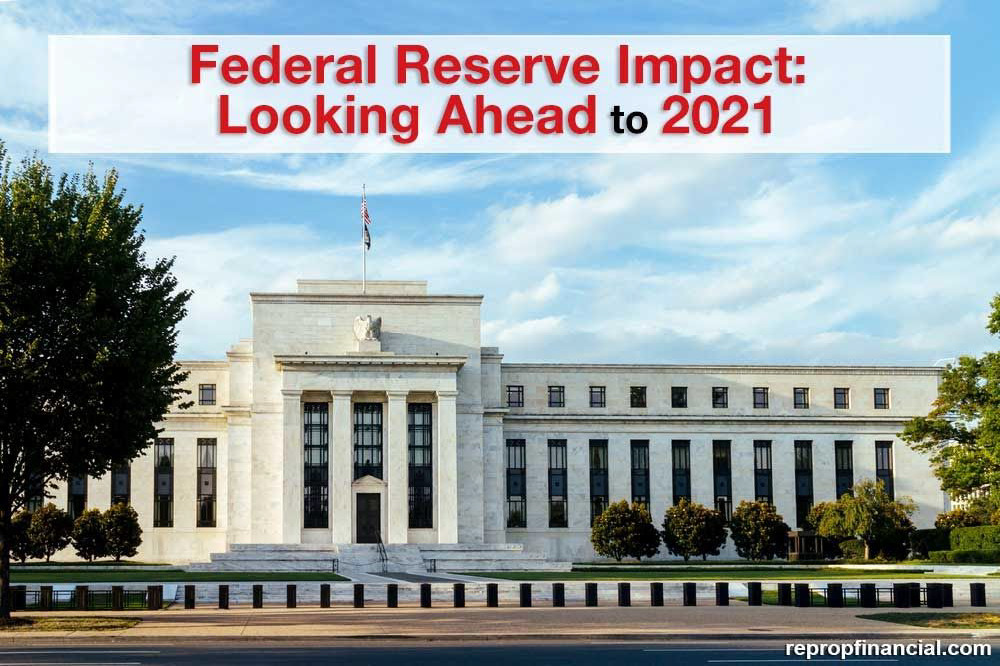
The Federal Reserve’s September policy meeting begins today, a two-day gathering running through tomorrow, September 16, when the rate decision, Summary of Economic Projections, and Chair Kevin Warsh’s press conference all land at 2:00 p.m. and 2:30 p.m. Eastern Time respectively. Market pricing has moved decisively toward a hike: CME FedWatch data cited by multiple outlets this morning puts the probability of a 25 basis point increase to 3.75%-4.00% at roughly 85% to 92%, up from the closer-to-coin-flip odds seen just days ago. If it happens, it would be the Fed’s first rate hike since 2023 — a genuinely significant reversal after a multi-year cutting and holding cycle.
What’s Driving the Shift Toward a Hike
TheStreet’s Monday market recap identifies the specific chain of events pushing odds higher: Friday’s hotter-than-expected CPI report pushed markets to price roughly an 85% probability of a hike, “with another hike increasingly expected before year-end,” according to strategist commentary cited in the piece. Kiplinger’s live coverage adds the labor-market angle: with employment steady and energy prices keeping inflation elevated, it’s now widely expected the Fed will raise rates for the first time since 2023. That combination — a hot inflation print landing directly ahead of the meeting, layered on top of a resilient jobs market — is exactly the kind of data mix that tends to tip a genuinely close call toward the hawkish side.
Photo by Trev W. Adams via Pexels
Treasury Yields Are Already Reacting
CNBC’s live markets coverage from this morning captures just how much the bond market has already moved ahead of tomorrow’s announcement: the yield on the benchmark 10-year Treasury note rose to its highest level since 2007 in early Tuesday trading, adding roughly 10 basis points to reach 5.022%. That’s a genuinely striking level — a nearly two-decade high — and it reflects both the shifting rate-hike odds and separate concerns tied to the ongoing US-Iran conflict’s effect on oil prices and inflation expectations. TheStreet’s Monday recap noted a related move: the 10-year yield touched its highest point since October 2023 during Monday’s session specifically in anticipation of this week’s meeting, before paring some of that gain later in the day.
The Political Backdrop Warsh Is Navigating
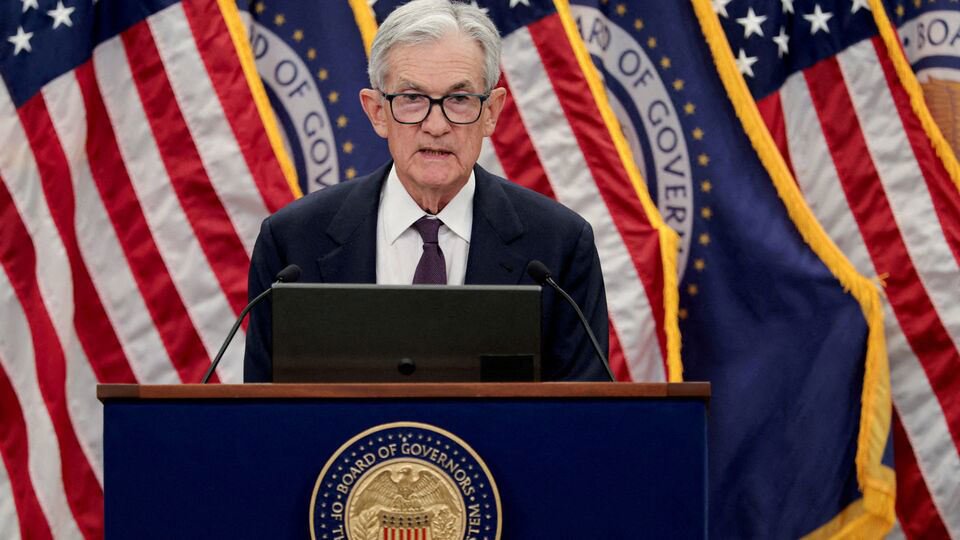
A market column from Yahoo Finance/AllStarCharts published this week frames the decision within a genuinely pointed political context worth understanding. Fed Chair Kevin Warsh has only held the role since May, and the piece raises the specific tension directly: is he willing to risk criticism from President Trump — who attacked former Chair Jerome Powell relentlessly over his reluctance to cut rates — by raising them instead? Or does he risk his own credibility by holding steady again in the face of persistent inflation data? The column’s own read: “odds are that a quarter-point hike is imminent this week,” suggesting the data itself has become compelling enough to outweigh the political discomfort a hike would create.
Why This Meeting Includes More Than Just the Rate Decision
September is one of four meetings each year — alongside March, June, and December — that includes the Summary of Economic Projections and the closely watched “dot plot,” giving investors forward-looking insight into where individual Fed officials expect rates to head over the following few years, not just tomorrow’s immediate decision. Kiplinger’s coverage notes Deutsche Bank economists will be watching closely to see how Warsh and the updated SEP “frame the tightening cycle” — whether this is presented as a one-time adjustment to combat a specific inflation flare-up, or the start of a more sustained hiking cycle.
Photo by energepic.com via Pexels
How Markets Are Positioning Today
CNBC’s Tuesday morning update shows the immediate market reaction to the meeting’s opening: S&P 500 futures were down 0.38%, Dow futures lost 240 points (0.45%), and Nasdaq 100 futures declined 0.46% as the session began, with Barclays strategists flagging concerns tied to the combination of the Fed decision and continued Treasury yield increases. STL.News’ coverage of Monday’s session adds a sector-specific detail worth noting: a selloff concentrated in AI-related semiconductor stocks compounded the pressure from surging oil prices and rising yields, with the piece flagging a genuine open question — whether that weakness stays contained to expensive AI infrastructure names or spreads into the broader market. A rotation out of semiconductors into software, healthcare, and consumer staples, the piece notes, could leave the broader bull market intact even amid the AI-specific pullback.
What to Watch Tomorrow
- 2:00 p.m. ET — the rate decision itself: Whether the Fed delivers the widely expected 25 basis point hike to 3.75%-4.00%, or surprises markets by holding steady.
- The Summary of Economic Projections and dot plot: Forward guidance on where officials expect rates to go through the rest of 2026 and into 2027 — markets are already pricing in the possibility of a second hike before year-end.
- 2:30 p.m. ET — Chair Warsh’s press conference: His characterization of the decision, and how directly he addresses the political pressure surrounding it, will shape market reaction as much as the rate move itself.
Frequently Asked Questions
When does the Fed announce its September 2026 rate decision?
The two-day meeting runs September 15-16, 2026, with the rate decision announced Wednesday, September 16 at 2:00 p.m. ET, followed by Chair Warsh’s press conference at 2:30 p.m. ET.
Will the Fed raise interest rates this week?
As of this morning, CME FedWatch data shows markets pricing an 85% to 92% probability of a 25 basis point hike to 3.75%-4.00%, which would be the Fed’s first rate increase since 2023.
Why did Treasury yields hit a multi-decade high this week?
The 10-year Treasury yield rose to its highest level since 2007, reaching 5.022% in early Tuesday trading, reflecting both shifting rate-hike expectations and inflation concerns tied to the US-Iran conflict’s effect on oil prices.
Why are AI and semiconductor stocks falling this week?
A selloff concentrated in AI-related semiconductor stocks compounded pressure from surging oil prices and rising Treasury yields, though it remains an open question whether that weakness stays contained to AI infrastructure names or spreads more broadly.
Sources & Methodology
This article draws on primary data and reporting from: the Federal Reserve’s official September 2026 meeting calendar; Kiplinger’s live-updated September Fed meeting coverage; TheStreet’s September 14, 2026 stock market recap; CNBC’s live markets updates for September 13-14, 2026; STL.News’ September 14, 2026 stock market coverage; and Yahoo Finance/AllStarCharts’ commentary on the political context surrounding Chair Warsh’s decision. Figures reflect market pricing and data as of this article’s last-updated date and will be superseded by tomorrow’s actual Fed decision.
This article is for informational purposes and does not constitute financial or investment advice.