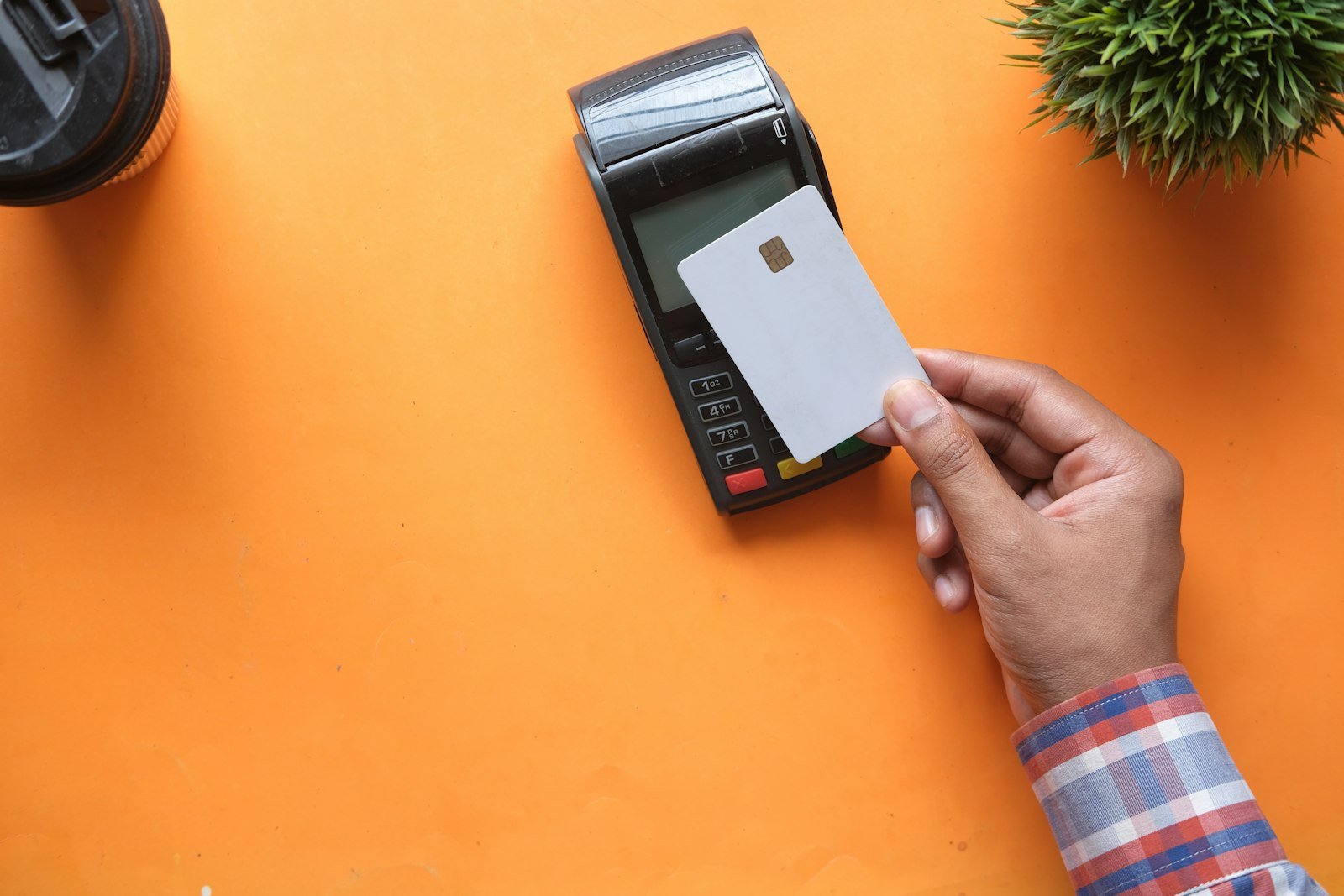
You tap a card, the terminal beeps, and the purchase is done in seconds. Behind that moment sits a chain of institutions and a set of fees that most shoppers never see. The most important of those fees is interchange, a charge that flows from the merchant’s side of the transaction to the bank that issued your card. It is small per purchase, enormous in aggregate, and it quietly shapes everything from rewards programs to retail prices.
The cast of characters in a card payment
A card transaction involves more parties than the two people at the counter. The cardholder uses a card from an issuing bank. The merchant accepts payment through an acquirer, sometimes via a payment processor or a payment service provider. In between sits the card network, which sets the rules and routes the messages that approve or decline the purchase.
When a payment clears, the merchant does not receive the full sale amount. Part is deducted as the cost of acceptance. That cost is typically a bundle of three layers: the interchange fee that goes to the issuer, an assessment that goes to the card network, and a markup that goes to the acquirer or processor.
What interchange actually pays for
Interchange is the largest of the three layers, and issuers defend it as compensation for real costs and services. Those include running the payment system on the cardholder’s side, absorbing fraud losses, guaranteeing payment to the merchant, and, for credit cards, extending short-term credit between the purchase and the bill. Rewards such as cash back and travel points are funded largely from this revenue.
Rates are not a single number. They vary by card type, transaction method and merchant category. A card-present tap commonly costs less than an online purchase, because the risk of fraud differs. Premium rewards cards generally carry higher rates than basic ones. Rate schedules published by the networks run to many pages for exactly this reason.
A two-sided market explains the design
Economists describe card networks as two-sided platforms. They must attract both cardholders and merchants, and each side values the other. Shoppers want cards that merchants accept, and merchants want to accept cards that shoppers carry. Interchange is a way of balancing the two sides: fees collected from merchants subsidize benefits that encourage cardholders to use the card, which in turn makes the network more valuable to merchants.
This structure is why the usual intuition about prices does not neatly apply. A card can appear free, or even profitable, for the user precisely because someone else is paying. The question is who ultimately bears that cost.
Who really pays
Merchants pay the fee directly, but they rarely absorb it indefinitely. Many fold card acceptance costs into their overall pricing, which means the cost is spread across all customers, including those who pay with cash or a low-cost debit card. In that sense, shoppers who use no rewards card can end up helping to fund rewards that go to others. Economists and policy groups have debated how large this cross-subsidy is and who benefits most from it, and the answer depends on the market and the mix of customers.
Some merchants respond by adding surcharges on card payments, offering discounts for cash or steering customers to cheaper payment methods. Rules on whether and how they may do this differ by jurisdiction and by network agreements, and the legal terrain has shifted over time.
Why regulators keep returning to it
Interchange sits at the intersection of competition policy and consumer protection. Merchants argue that fees are set by networks and issuers rather than negotiated in a competitive market, leaving small businesses with little leverage. Issuers and networks respond that the fees fund security, convenience and rewards that consumers value.
Different countries have taken different approaches, from setting caps on certain card types to leaving rates to market forces under antitrust scrutiny. Disputes over merchant rules, routing choices and fee levels have produced litigation and legislative proposals in many places. Because the details change, anyone relying on a specific rule should check current regulation rather than assume a past ruling still applies.
What new payment rails change
Alternatives to cards are growing: account-to-account transfers, instant payment systems and digital wallets that can run over several rails. Merchants see these options as a way to lower acceptance costs, and issuers see them as a competitive threat to a lucrative revenue stream. Whether they erode interchange will depend on consumer habits, the strength of rewards, fraud protections and how easy it is to pay in practice. Cards offer dispute rights and fraud liability protections that many alternatives are still working out how to match.
What this means for you
- Rewards are not free. They are funded from merchant fees, which can show up in the prices everyone pays.
- Payment method can affect price. Where surcharges or cash discounts exist, checking the terms can save money.
- Small merchants feel it most. Fees take a larger bite from thin margins, which is why acceptance costs are a recurring small-business grievance.
- Protections have value. Chargeback rights and fraud liability limits are part of what the fee buys.
Interchange is best understood as a price inside a system, not just a charge. It funds benefits, allocates costs between merchants and shoppers, and holds a two-sided market together. Whether it is set at the right level is a live debate, and one worth following as payment technology evolves.