Last updated: September 2026. Editorial Team — researched using reporting from Bloomberg, TechCrunch, and CNBC. See “Sources & Methodology” for our full source list.
Quick Answer
SpaceX has moved aggressively from public-market debutant to active acquirer in the months since its historic June 2026 IPO. The company completed a merger with Elon Musk’s AI venture xAI in February 2026, and has since been in advanced talks to acquire Anysphere, the maker of the popular AI coding tool Cursor, in a deal valued at roughly $60 billion. The pace and scale of this post-IPO dealmaking illustrates a company using its newly raised public capital and stock currency for rapid, large-scale expansion well beyond its traditional rocket and satellite businesses.
Why a Rocket Company Wants an AI Coding Tool
The logic connecting SpaceX to Anysphere specifically traces back to the company’s own three-segment structure, described in earlier reporting on SpaceX’s IPO: Starlink satellite internet, Launch Services, and xAI’s AI infrastructure division. Acquiring Anysphere would meaningfully deepen SpaceX’s AI development capabilities beyond xAI’s existing large-language-model work, adding a widely-used developer tool with its own substantial existing customer base and revenue stream. For a company increasingly positioning artificial intelligence as a core growth pillar alongside its traditional aerospace business, an established AI coding platform represents a genuinely different kind of asset than building similar capability from scratch internally.
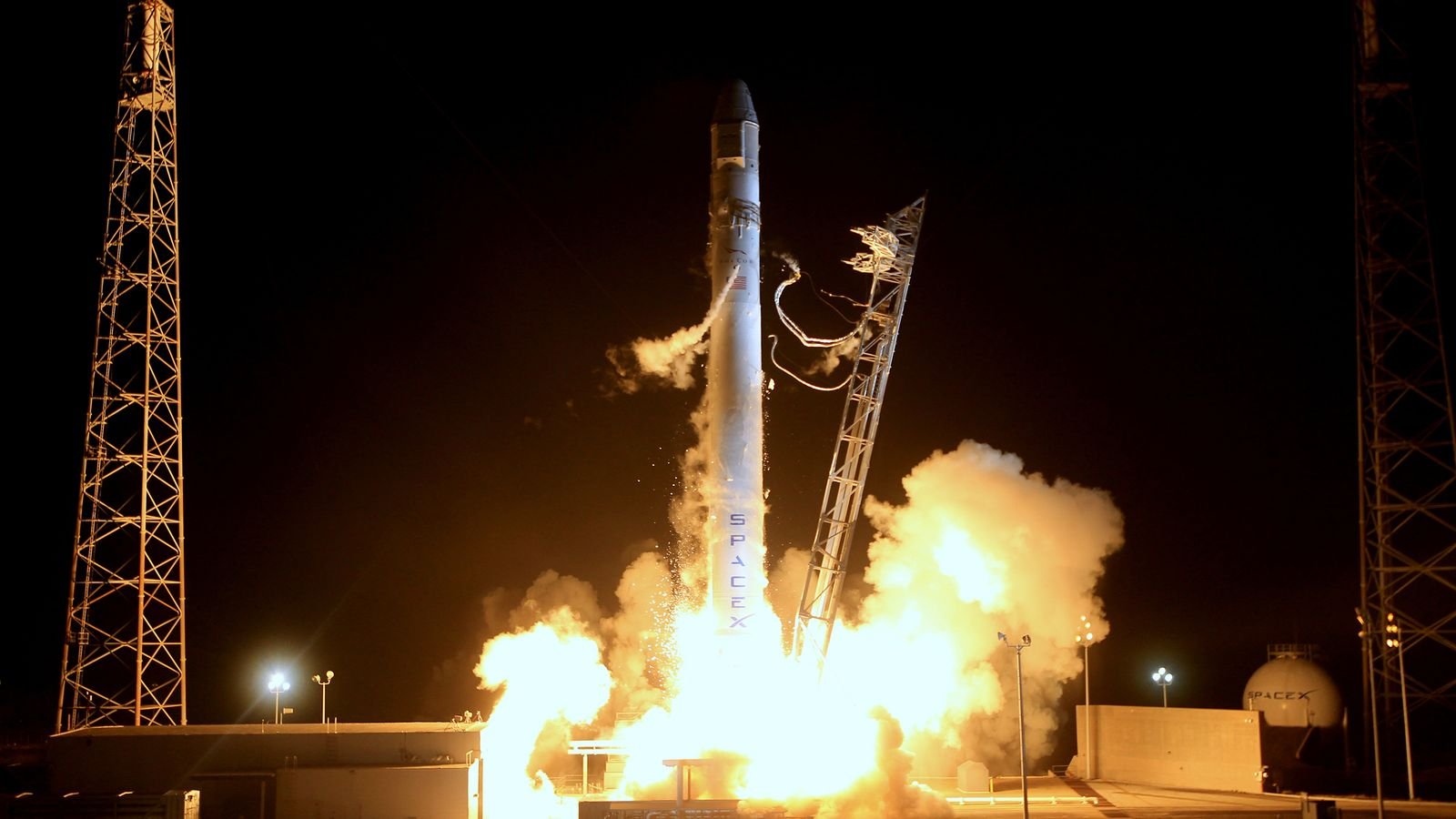
Photo by SpaceX via Pexels
The xAI Merger That Preceded This Deal
SpaceX’s acquisition activity didn’t begin with Anysphere. The company completed its merger with xAI in February 2026, months before its own public listing, establishing the AI segment that now represents a meaningful share of SpaceX’s overall revenue mix, generating $3.2 billion according to the company’s own S-1 disclosure. That earlier merger effectively set the template for this pattern of aggressive, AI-focused expansion: rather than building every AI capability internally from the ground up, SpaceX has shown a clear preference for acquiring already-developed, market-validated AI assets and folding them into its broader corporate structure.
What a $60 Billion Valuation for Anysphere Would Represent
A $60 billion valuation for Anysphere, if the reported figures hold, would represent one of the largest acquisitions of a pure-play AI coding tool to date, reflecting both Cursor’s substantial existing developer adoption and the broader premium currently being placed on AI-native software companies generally. For SpaceX specifically, using its own newly-liquid public stock as acquisition currency, rather than purely cash, would let the company pursue a deal of this scale without necessarily depleting the capital raised through its IPO for other priorities, including its capital-intensive Starship development program.
The Genuine Risk in This Rapid Expansion Pace
This pace of post-IPO dealmaking carries real integration risk worth understanding directly. Combining a rocket and satellite company, an AI research lab, and now potentially a widely-used developer tools platform, all within roughly a year of going public, represents a genuinely ambitious organizational integration challenge. Companies that expand this rapidly across genuinely different business lines and company cultures face real execution risk beyond the financial questions alone — successfully retaining Anysphere’s existing engineering talent and developer relationships through an acquisition of this scale, for example, is a meaningfully different challenge than simply having the capital to complete the transaction itself.
How This Connects to SpaceX’s Already-Demanding Valuation
SpaceX’s own valuation, at roughly 96 times trailing revenue according to earlier analysis of its IPO, already assumes considerable continued growth across its existing three business segments. Adding a major new acquisition on top of that existing growth expectation raises a genuine question worth watching closely: does an acquisition like Anysphere represent additive growth that justifies the company’s premium valuation further, or does it introduce additional integration risk and capital allocation questions that could complicate the already-demanding growth trajectory investors are pricing into SpaceX’s stock.
What This Means for Investors Tracking SpaceX
- Post-IPO acquisition activity is a genuine signal of management’s growth ambitions: Rather than settling into a steady-state public company operating rhythm, SpaceX’s continued aggressive dealmaking suggests leadership views the period immediately following its IPO as a window for rapid, transformative expansion.
- Integration execution deserves as much scrutiny as deal announcements themselves: Investors should watch for concrete evidence of successful integration, not just headline acquisition announcements, given the genuine organizational complexity of combining aerospace, AI research, and developer tools businesses.
- Stock-based acquisition currency preserves cash for core capital-intensive priorities: Using newly-public stock rather than cash for major acquisitions lets SpaceX continue funding Starship and other capital-intensive programs without competing directly against acquisition spending.
Frequently Asked Questions
Did SpaceX acquire xAI?
Yes. SpaceX completed a merger with Elon Musk’s AI venture xAI in February 2026, establishing the AI infrastructure segment that now contributes meaningfully to the company’s overall revenue.
Is SpaceX acquiring Cursor’s parent company?
SpaceX has reportedly been in advanced talks to acquire Anysphere, the maker of the AI coding tool Cursor, in a deal valued at roughly $60 billion, though terms had not been finalized as of this article’s last update.
Why would a rocket company want an AI coding tool?
Acquiring an established AI coding platform would deepen SpaceX’s broader AI development capabilities beyond its existing xAI division, adding a widely-used tool with its own substantial customer base rather than building similar capability internally.
What risks does this rapid acquisition pace carry?
Combining a rocket and satellite company, an AI research lab, and potentially a developer tools platform within roughly a year of going public represents a genuine organizational integration challenge, separate from the financial questions around valuation and deal terms.
Sources & Methodology
This article draws on reporting from: Bloomberg’s coverage of SpaceX’s post-IPO corporate activity; TechCrunch’s reporting on SpaceX’s reported interest in acquiring Anysphere; CNBC’s coverage of the broader AI coding tools market; and SpaceX’s own S-1 filing disclosing its three-segment business structure and the February 2026 xAI merger. Figures and deal terms reflect the most recently reported information as of this article’s last-updated date and remain subject to change pending any official confirmation.
This article is for informational purposes and does not constitute investment advice. It is not a recommendation to buy or sell any security mentioned.