
Last updated: September 17, 2026. Editorial Team — researched using reporting from TheStreet, Bloomberg, and Charles Schwab. See “Sources & Methodology” for our full source list.
Quick Answer
The headline from Wednesday’s Fed decision was the 25 basis point hike itself, but the more consequential signal for markets going forward came from the dot plot: 16 of 18 Federal Reserve officials now expect at least one further rate hike before the end of 2026. Fed Chair Kevin Warsh reinforced that message directly in his press conference, stressing that inflation remains too high and that the Fed wants to prevent the current energy-price shock from generating second- and third-round inflationary effects, even while acknowledging the central bank cannot directly influence oil prices. President Trump, meanwhile, said Wednesday he still has confidence in Warsh, even as he separately reiterated his call for the central bank to cut rates.
Why the Dot Plot Matters More Than the Headline Number
TheStreet’s coverage frames the real stakes of Wednesday’s meeting precisely: “the Federal Reserve delivered the expected 25bp hike, taking the fed funds range to 3.75%-4.00%, but the more important message was that policymakers do not believe the tightening cycle” is finished. That’s a genuinely important distinction for anyone trying to understand what this decision means going forward — a single 25 basis point move was already priced into markets well before Wednesday, but confirmation that 16 of 18 officials expect at least one additional hike this year tells investors this is very likely the start of a renewed cycle, not an isolated, one-off adjustment.
Photo by Trev W. Adams via Pexels
Warsh’s Own Words: “The Plain Fact Is That Inflation Is Too High”
Warsh’s public remarks leave little ambiguity about the Fed’s reasoning. TheStreet’s coverage quotes him directly: “the plain fact is that inflation is too high and has been for too long.” Bloomberg’s coverage of the same press conference characterizes his overall tone as a “sober” decision — language suggesting Warsh presented the hike as a necessary, if not celebrated, response to persistent inflation pressure rather than an enthusiastic tightening move. TheStreet’s reporting adds a specific analytical point worth understanding: strategist commentary cited in its coverage noted Warsh reinforced his message by stressing the Fed wants to prevent the current energy shock from generating broader, sustained inflationary effects, even while explicitly acknowledging the central bank has no direct ability to influence oil prices themselves.
The Trump-Warsh Dynamic Remains Genuinely Unresolved
TheStreet’s Wednesday coverage captures a notably complicated political dynamic: President Trump said he still has confidence in Fed Chair Kevin Warsh, according to CNBC reporting cited in the coverage, but also said he wants the central bank to cut interest rates. That’s a genuinely interesting combination of statements — expressing continued confidence in Warsh personally while simultaneously disagreeing with the substance of his most consequential decision as chair so far. It suggests the underlying tension between the administration and the Fed hasn’t resolved itself simply because Wednesday’s vote happened to be unanimous; if anything, a unanimous vote for a hike Trump opposes may make the underlying disagreement more visible, not less.
What Markets Actually Wanted to Know Beforehand
TheStreet’s pre-decision coverage on Tuesday had flagged precisely the question markets were watching for: “the reaction will depend on the commentary offered by Fed Chair Kevin Warsh,” with investors wanting to know whether this represented the start of a series of hikes or just fast, preemptive action that ends here. The same coverage had predicted Warsh was “not likely to get much clarity” on this question, noting he had made a point of not signaling his intentions in advance — a prediction that, in a sense, has now been resolved by the dot plot itself, even if Warsh’s own verbal commentary remained deliberately measured.
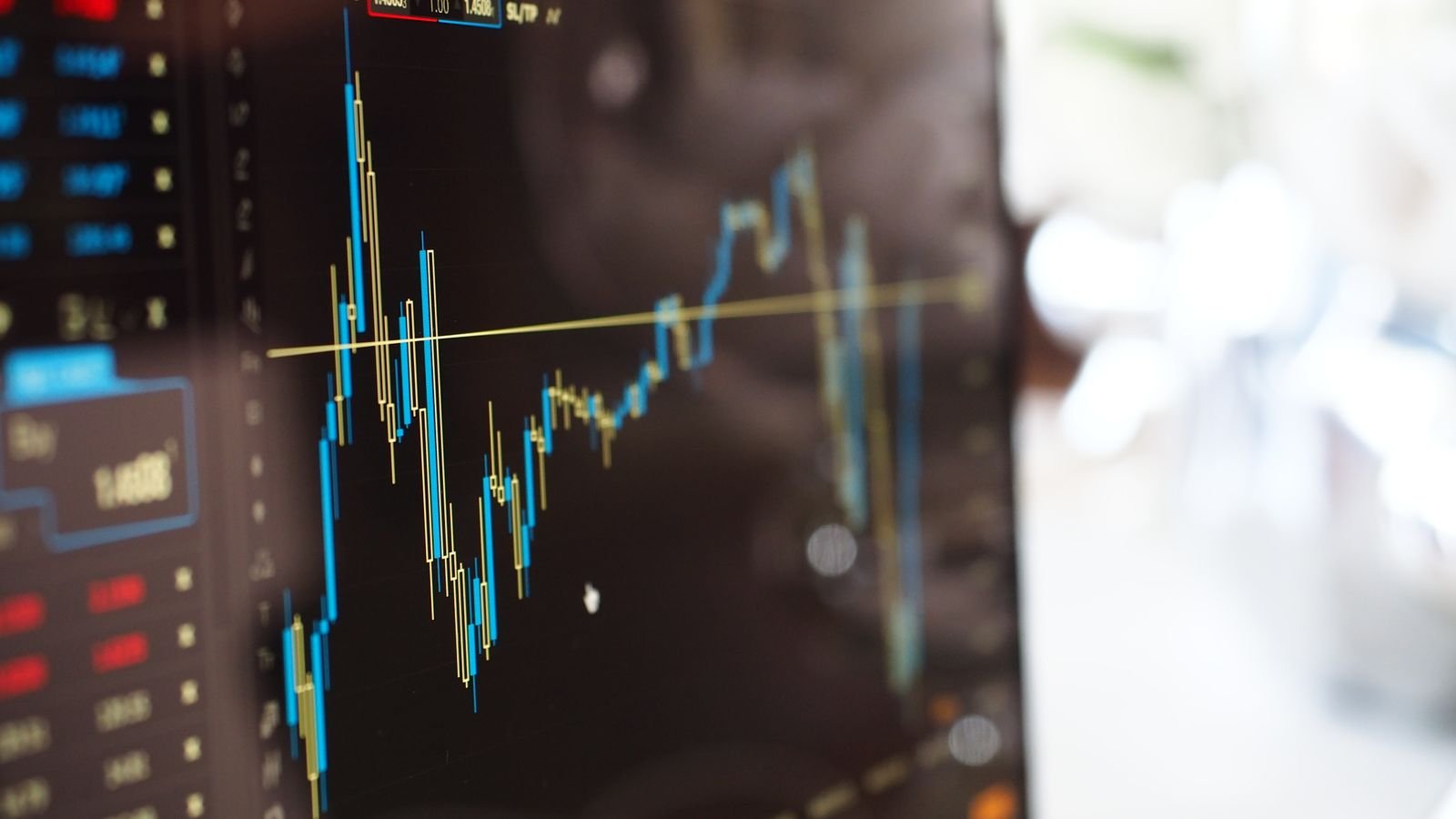
Photo by energepic.com via Pexels
How Markets Actually Responded
The initial market reaction to Wednesday’s decision was negative, with stocks finishing lower as investors digested both the hike itself and the more hawkish dot plot. Charles Schwab’s Thursday morning commentary describes a notably different mood just one day later: stocks jumped across the board early Thursday, thanks to declining Treasury yields and falling oil prices, alongside what Schwab’s commentary described as possible relief that the Fed had backed its recent hawkish words with actual action rather than continued uncertainty. That two-day pattern, an initial hawkish-driven selloff followed by a rebound once the decision itself was confirmed and absorbed, is a fairly common pattern following genuinely consequential Fed decisions.
What This Means Going Forward
- Treat this as likely the first of multiple hikes, not an isolated move: With 16 of 18 officials projecting further tightening, borrowers and investors should plan around the possibility of additional rate increases before year-end.
- Watch for continued political friction between the White House and the Fed: Trump’s combination of continued confidence in Warsh personally alongside continued disagreement with Fed policy suggests this tension is an ongoing story, not a one-time episode.
- Oil prices remain a genuine wildcard the Fed cannot directly control: Warsh’s own acknowledgment that the central bank cannot influence oil prices directly means continued Middle East-driven energy volatility could keep complicating the inflation picture regardless of monetary policy.
Frequently Asked Questions
Will the Fed raise interest rates again this year?
Very likely. The Fed’s updated projections show 16 of 18 Federal Open Market Committee officials expect at least one further rate hike before the end of 2026.
What did Fed Chair Kevin Warsh say about the decision?
Warsh stated directly that “the plain fact is that inflation is too high and has been for too long,” and stressed the Fed wants to prevent the current energy shock from generating broader inflationary effects.
Does President Trump still support Fed Chair Warsh?
Trump said he still has confidence in Warsh, according to CNBC reporting, but has continued to call for the Fed to cut rates, reflecting an unresolved tension between the administration and the central bank.
How did markets react to the rate hike?
Stocks finished lower the day of the decision but rebounded sharply the following day as Treasury yields and oil prices both declined, helping restore investor confidence.
Sources & Methodology
This article draws on reporting from: TheStreet’s Stock Market Today coverage for September 16-17, 2026, including quoted commentary from Fed Chair Kevin Warsh; Bloomberg’s live coverage of the Fed decision; and Charles Schwab’s September 17, 2026 market-open commentary. Figures and statements reflect the most recently published information as of this article’s last-updated date.
This article is for informational purposes and does not constitute financial or investment advice.


