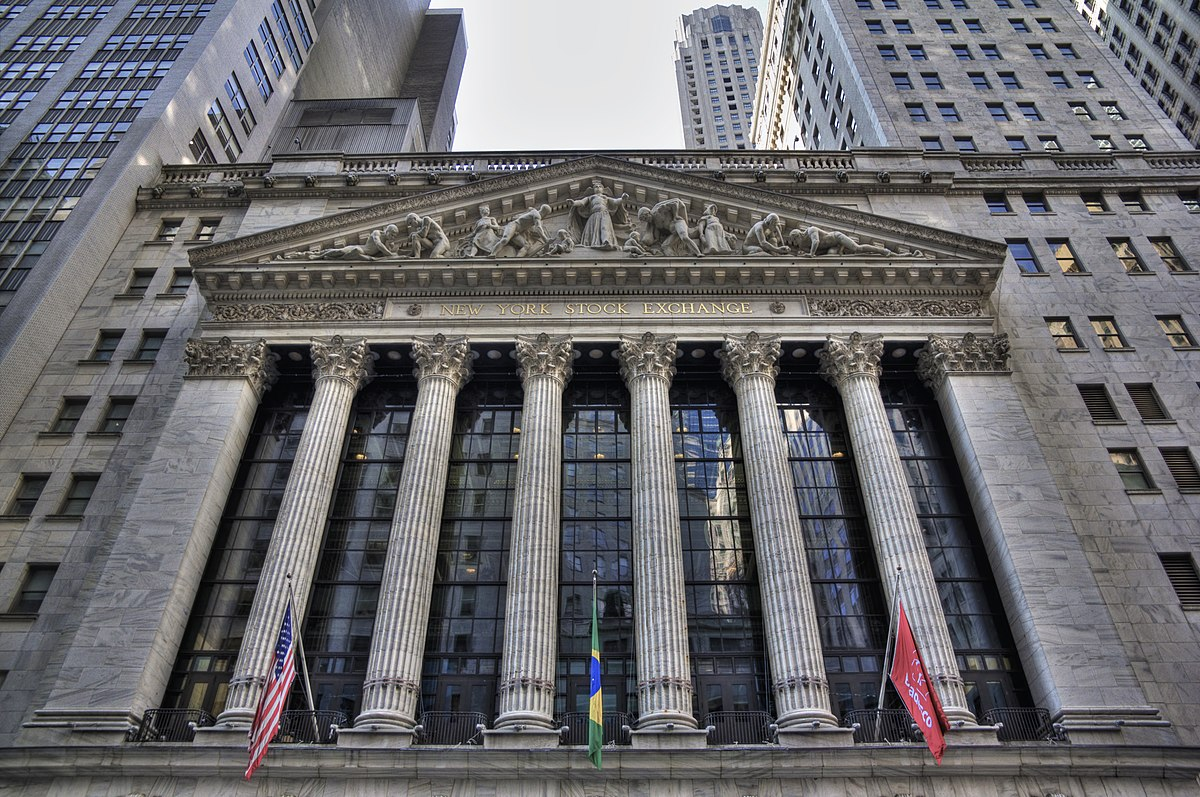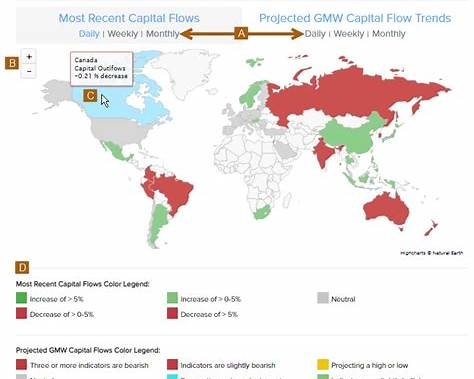
Foreign capital flows are becoming one of the most powerful and underappreciated forces shaping U.S. markets. As interest rate divergence, geopolitical risk, and global debt levels intensify, trillions of dollars are moving across borders at unprecedented speed. This article explains why foreign capital flows matter more than ever, how they influence U.S. stocks, bonds, and the dollar, and what investors should watch as global money reshapes market leadership.
Introduction: The Quiet Force Behind Market Moves
When markets rally or sell off, most explanations focus on the Federal Reserve, inflation data, or corporate earnings. Yet behind many of these moves lies a quieter but increasingly decisive factor: foreign capital flows.
Every day, massive pools of money controlled by foreign governments, central banks, pension funds, sovereign wealth funds, corporations, and global asset managers flow into and out of U.S. assets. These flows influence interest rates, stock prices, real estate values, and even the strength of the U.S. dollar. In earlier decades, foreign capital moved more slowly and predictably. Today, it moves faster, reacts more sharply, and carries greater consequences.
Wall Street is paying closer attention because foreign capital is no longer just a stabilizing force. It is becoming a source of volatility, opportunity, and risk—all at the same time.
What Are Foreign Capital Flows?
Foreign capital flows refer to money that crosses national borders for investment purposes. These flows typically fall into two broad categories:
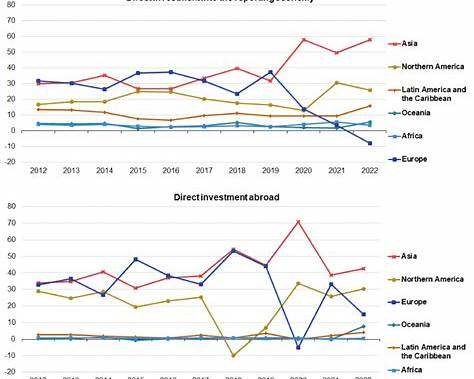
- Foreign Direct Investment (FDI), such as overseas companies building factories, acquiring U.S. firms, or investing in infrastructure
- Foreign Portfolio Investment, including purchases of U.S. stocks, bonds, Treasurys, ETFs, and real estate
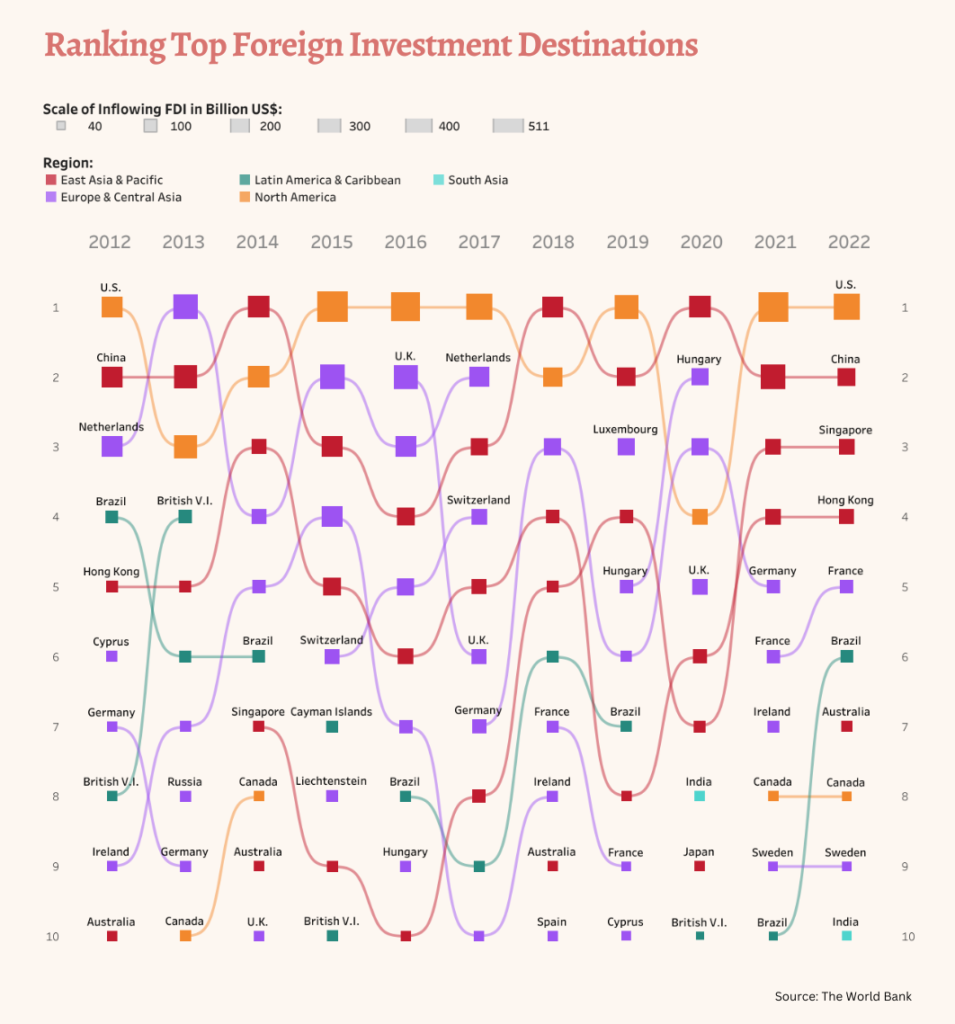
According to U.S. Treasury and IMF data, foreign investors collectively hold tens of trillions of dollars in U.S. financial assets, making the United States the single largest destination for global capital.
Because U.S. markets are deep, liquid, and dollar-denominated, they often act as the world’s financial shock absorber. But that role comes with trade-offs.
Why Foreign Capital Flows Are Becoming More Important Now
Foreign capital has always mattered—but several structural shifts are amplifying its influence.
1. Global Interest Rate Divergence Is Widening
For years after the global financial crisis, interest rates around the world hovered near zero. That era is over.
Today, central banks are moving at different speeds. The Federal Reserve, European Central Bank, Bank of Japan, and emerging-market central banks face very different economic pressures. This divergence creates powerful incentives for capital to chase yield, stability, or currency appreciation.
Real-world example:
When U.S. interest rates rose faster than those in Europe and Japan, foreign investors poured money into U.S. Treasurys. That demand helped keep long-term U.S. yields lower than expected—even as the Fed tightened policy.
Foreign capital flows now act as a global transmission mechanism for monetary policy.
2. The U.S. Dollar’s Dominance Is a Double-Edged Sword
The U.S. dollar remains the world’s primary reserve currency. In times of uncertainty, global investors instinctively seek dollar-denominated assets.
This creates a powerful feedback loop:
- Capital inflows strengthen the dollar
- A stronger dollar tightens global financial conditions
- Emerging markets face higher borrowing costs
- Risk appetite shifts again
While dollar strength can reduce import inflation for U.S. consumers, it can hurt multinational earnings and destabilize overseas economies—eventually feeding back into U.S. markets.
Foreign capital flows are now one of the most important drivers of dollar volatility.
3. Geopolitics Is Reshaping Capital Allocation
Capital is no longer guided solely by risk and return. Increasingly, it is shaped by politics, regulation, and national security concerns.
Sanctions, trade restrictions, and investment reviews have changed how and where foreign money can move. Entire sectors—such as technology, energy, and infrastructure—now face heightened scrutiny.
Examples include:
- Restrictions on foreign ownership in strategic industries
- Capital controls in emerging markets
- Sanctions affecting sovereign assets
These political factors can cause sudden and sharp reversals in capital flows, creating market volatility without warning.
4. Global Debt Levels Are Forcing Capital to Seek Safety
Global debt levels have reached historic highs. Governments, corporations, and households worldwide are more sensitive to interest rates than ever before.
As borrowing costs rise, global investors increasingly prioritize:
- Stable economies
- Deep and liquid markets
- Strong legal protections
The U.S. continues to attract foreign capital because it offers these qualities—but that reliance also increases exposure to shifts in global sentiment.
How Foreign Capital Flows Affect U.S. Markets
Foreign capital does not sit idle. It actively shapes market outcomes across asset classes.
Impact on U.S. Treasury Markets
Foreign investors are among the largest holders of U.S. government debt. Their buying and selling decisions influence:
- Long-term interest rates
- Yield curve dynamics
- Federal borrowing costs
When foreign demand weakens, Treasury yields often rise—even if domestic economic conditions remain unchanged.
Impact on U.S. Stock Markets
Foreign investors hold significant positions in U.S. equities, especially large-cap and index-heavy stocks.
Foreign inflows can:
- Support market rallies
- Push valuations higher
- Concentrate gains in globally recognized companies
Conversely, foreign outflows can amplify sell-offs during periods of global stress.
Impact on Real Estate and Private Markets
Foreign capital has long flowed into U.S. commercial real estate, venture capital, and infrastructure.
Changes in these flows influence:
- Property prices in major cities
- Startup funding availability
- Long-term infrastructure investment
When foreign capital slows, these areas often feel the impact first.
Why Foreign Capital Flows Are Becoming More Volatile
The most important change is speed.
Technology, global ETFs, and algorithmic trading allow capital to move across borders almost instantly. Combined with geopolitical uncertainty and crowded positioning, this creates a more fragile system.
Key drivers of volatility include:
- Faster information transmission
- Policy surprises from governments or central banks
- Shifts in global risk perception
- Concentration in “safe-haven” assets
Foreign capital flows now amplify both rallies and downturns.
What Americans Are Searching About Foreign Capital
Search trends reveal growing public curiosity around questions such as:
- “Why are foreign investors buying U.S. assets?”
- “What happens if foreigners stop buying U.S. debt?”
- “Does foreign money control the stock market?”
- “How does foreign capital affect inflation?”
These questions reflect rising awareness that global money flows directly affect domestic outcomes.
Which Sectors Are Most Sensitive to Foreign Capital?
More Sensitive Sectors
- Mega-cap technology stocks
- Financial institutions with global exposure
- Commercial real estate
- Infrastructure and utilities
Less Sensitive (Relatively)
- Domestically focused small businesses
- Local service industries
- Certain defensive consumer sectors
Understanding these sensitivities helps investors manage exposure.
What This Means for Individual Investors
Foreign capital flows may seem abstract, but their effects are tangible.
For investors, this means:
- Market moves may reflect global sentiment, not just U.S. data
- Currency trends can influence returns
- Volatility may rise during geopolitical or policy shocks
- Diversification becomes more important
Ignoring foreign capital flows leaves portfolios exposed to forces investors don’t fully see.
Practical Takeaways for Navigating a Capital-Driven World
Key lessons include:
- Monitor global interest rate trends
- Watch the U.S. dollar as a signal of capital movement
- Understand which holdings rely on foreign demand
- Avoid assuming domestic stability equals market stability
- Prioritize liquidity and balance-sheet strength
Preparation matters more than prediction.
Why Foreign Capital Flows Will Matter Even More in the Future
Long-term trends suggest foreign capital flows will continue to grow in importance:
- Aging populations shifting savings globally
- Rising wealth in emerging markets
- Continued dominance of U.S. financial markets
- Greater geopolitical fragmentation
- Expanded use of financial sanctions
Together, these forces ensure that global money movement will remain a central driver of U.S. market behavior.
Frequently Asked Questions (FAQ)
1. What are foreign capital flows?
Money invested by foreign entities into another country’s assets, including stocks, bonds, and real estate.
2. Why do foreign investors buy U.S. assets?
Because of market depth, stability, strong legal protections, and the dollar’s reserve status.
3. Can foreign capital flows move U.S. markets?
Yes. Large inflows or outflows can significantly affect prices and volatility.
4. What happens if foreign demand for U.S. debt falls?
Interest rates could rise, increasing borrowing costs across the economy.
5. Do foreign investors control the U.S. stock market?
No, but they play a major and growing role in price movements.
6. How do foreign capital flows affect the dollar?
Inflows strengthen the dollar; outflows weaken it.
7. Are foreign capital flows risky?
They can increase volatility, especially during global crises.
8. Which investors should care most?
Anyone invested in stocks, bonds, real estate, or diversified portfolios.
9. Can the Federal Reserve offset foreign capital swings?
Only partially—especially during global shocks.
10. Will foreign capital flows matter more in the future?
Yes. Global integration and geopolitical tension make them increasingly influential.
Final Thoughts: Global Money Is Now a Domestic Force
Foreign capital flows are no longer a background detail. They influence mortgage rates, stock prices, corporate earnings, and the value of the dollar. As the world becomes more fragmented and volatile, global money movement will play an even bigger role in shaping U.S. markets.
Understanding where foreign capital is moving—and why—has become essential for investors, businesses, and policymakers alike.