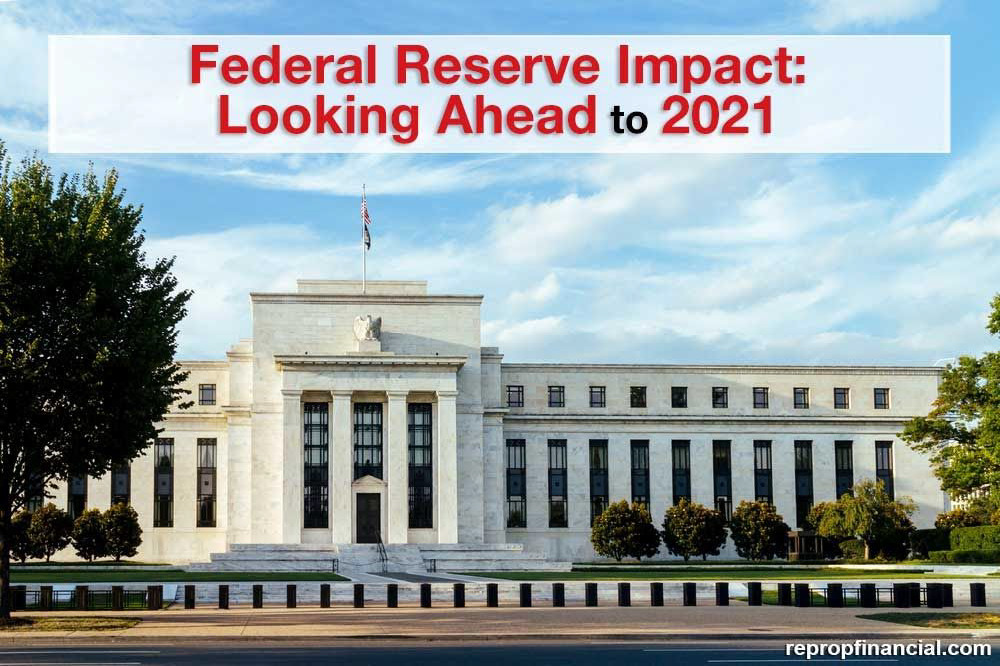
The American housing market is more than just a collection of properties; it is a vast, dynamic ecosystem deeply intertwined with the financial well-being of the nation. For many, a home is the largest investment they will ever make. For others, it represents an essential, and often escalating, monthly expense. The forces that dictate the temperature of this market—booming prices, soaring rents, or sudden downturns—can seem local and unpredictable. Yet, one of the most powerful, albeit indirect, drivers originates from a single address: the Marriner S. Eccles Federal Reserve Board Building in Washington, D.C.
The monetary policy enacted by the U.S. Federal Reserve (the Fed) creates a cascade of effects that ripple through the entire economy, with the housing market acting as one of the primary and most sensitive receptors. The journey from a Fed policy announcement to a change in a family’s mortgage payment or a landlord’s rent setting is complex, but understanding it is crucial for prospective homebuyers, sellers, investors, and policymakers alike.
This article will trace the path of these ripples, exploring how the Fed’s tools—primarily the manipulation of interest rates—directly influence mortgage rates, shape housing supply and demand, and ultimately determine the affordability and accessibility of shelter. We will dissect the intricate feedback loops between home prices and rents, analyze the divergent impacts on homeowners versus renters, and place current market conditions within the context of historical policy shifts.
The Lever of Power: Understanding Core Monetary Policy Tools
To comprehend the Fed’s impact on housing, one must first understand its primary objectives and the mechanisms at its disposal. The Fed’s dual mandate is to foster maximum employment and maintain stable prices (i.e., control inflation). While it does not directly target housing prices, its actions to fulfill this mandate have profound consequences for the real estate sector.
The Fed’s primary tool is the federal funds rate—the interest rate at which depository institutions lend reserve balances to other depository institutions overnight. While this is a short-term interbank rate, it serves as the foundation for the entire structure of interest rates throughout the economy, including those for bonds, car loans, business investments, and, most critically for our purposes, mortgages.
The Fed influences the federal funds rate through two main methods:
- Open Market Operations (OMOs): The buying and selling of government securities. To stimulate the economy, the Fed buys securities, injecting money into the banking system and pushing interest rates down. This is known as quantitative easing (QE). To cool an overheating economy and curb inflation, it sells securities or allows them to mature without reinvestment (quantitative tightening, or QT), pulling money out of the system and pushing rates up.
- The Discount Rate: The interest rate the Fed charges commercial banks for short-term loans. Changes to this rate often signal the Fed’s policy direction.
When the Fed embarks on a cycle of lowering rates (an accommodative policy), it is like pressing the gas pedal on the economy. Conversely, when it raises rates (a restrictive policy), it is applying the brakes. The housing market, being highly dependent on borrowed money, is sitting directly in the driver’s seat.
The Direct Channel: From Federal Funds to Your Mortgage Rate
The most immediate and transparent ripple effect is the link between Fed policy and mortgage rates. While the federal funds rate is not directly tied to the 30-year fixed mortgage rate—the benchmark for the U.S. housing market—they move in strong correlation. This is because both are influenced by the same underlying factor: the yield on long-term U.S. Treasury bonds, particularly the 10-year note.
Here’s how the connection works:
- Fed Lowers Rates (Accommodative Policy): When the Fed lowers the federal funds rate or engages in QE, it floods the financial system with liquidity. This pushes down the yields on safe-haven assets like the 10-year Treasury. Mortgage lenders, who often bundle loans into mortgage-backed securities (MBS) sold to investors, price their fixed-rate mortgages based on this 10-year yield, plus a premium for risk and profit. As Treasury yields fall, mortgage rates typically follow, making home loans cheaper.
- Fed Raises Rates (Restrictive Policy): Conversely, when the Fed raises the federal funds rate or engages in QT, it makes money more expensive and reduces liquidity. This causes the 10-year Treasury yield to rise as investors demand higher returns. Lenders, in turn, must offer higher rates on MBS to attract investors, leading to a direct increase in mortgage rates for consumers.
This dynamic was starkly illustrated in the post-2020 period. To combat the economic fallout of the COVID-19 pandemic, the Fed slashed the federal funds rate to near-zero and embarked on a massive QE program, purchasing trillions of dollars in Treasuries and MBS. The result? The average 30-year fixed mortgage rate plummeted to historic lows, bottoming out below 3% in 2021. This injected rocket fuel into the housing market, triggering a ferocious buying boom.
However, as inflation surged to 40-year highs in 2022, the Fed executed a dramatic pivot, embarking on the most aggressive tightening cycle since the 1980s. The federal funds rate was raised at a historic pace, and QT commenced. Predictably, the 10-year Treasury yield soared, and with it, mortgage rates skyrocketed, surpassing 7% in 2023 and dramatically altering the housing landscape.
The Ripple Effect on Housing Demand and Prices
The cost of borrowing is the primary engine of housing demand. Changes in mortgage rates, therefore, have a powerful and multifaceted impact on buyer behavior and, consequently, on home prices.
The Boom: Low Rates Fuel a Frenzy (2020-2021)
When mortgage rates are low, the monthly cost to service a loan decreases. This dramatically improves housing affordability and expands a buyer’s purchasing power. For example, the monthly principal and interest payment on a $400,000 loan drops from approximately $1,900 at a 4.5% rate to about $1,265 at a 2.75% rate.
This surge in purchasing power, coupled with a pandemic-driven desire for more space, created a perfect storm of demand from 2020 to 2021. The market was characterized by:
- Frenzied Buying: Bidding wars became commonplace, with homes often selling for tens or hundreds of thousands of dollars above asking price.
- Rapid Price Appreciation: With demand vastly outstripping supply, home prices experienced unprecedented growth. National indices like the S&P CoreLogic Case-Shiller Index showed year-over-year price increases exceeding 20%.
- A “Fear of Missing Out” (FOMO): The perception that rates would never be lower and prices would only go higher pulled future demand forward, exacerbating the boom.
In this environment, homeownership became significantly more attractive on a monthly cost basis compared to renting, pushing more people into the buyer pool.
The Slowdown: High Rates Cool the Market (2022-Present)
The rapid rise in mortgage rates acts as a powerful coolant. As monthly payments soar for the same priced home, affordability craters, and purchasing power evaporates. The same $400,000 loan at a 7% rate carries a monthly payment of around $2,660—more than double the payment at the 2021 lows.
This has several consequences:
- Stalled Demand: Many prospective buyers are simply priced out of the market. They are forced to delay their purchase, look for less expensive homes, or remain in the rental market.
- The “Lock-In” Effect: Existing homeowners with fixed-rate mortgages locked in at 2-4% are extremely reluctant to sell their homes and trade their low monthly payment for a new mortgage at 6-7%. This phenomenon severely constrains the supply of existing homes for sale.
- Price Moderation and Regional Declines: While the lock-in effect has prevented a catastrophic crash in prices due to low inventory, the fierce price growth has halted. In some markets that experienced the most extreme booms, prices have corrected downward. Nationally, the market has entered a period of stagnation and recalibration, with transaction volumes plummeting.
The Supply Conundrum: A Tale of Two Markets
Monetary policy’s impact on housing supply is more nuanced and creates a critical divergence between the market for existing homes and that for new construction.
- Existing Home Supply Grinds to a Halt: As discussed, the lock-in effect is a direct creation of the Fed’s rate-hiking cycle. Why would a homeowner give up a 3% mortgage to take on a 7% one unless absolutely necessary? This has frozen the existing home market, with active listings remaining at historic lows. This lack of supply provides a floor under home prices, preventing a more significant correction despite plummeting demand.
- New Construction Finds a Silver Lining: For homebuilders, high rates are a double-edged sword. On one hand, they increase the cost of construction loans and deter some buyers. On the other, the paralysis in the existing home market presents a massive opportunity. Builders have become almost the only game in town for many move-up buyers. To counteract high mortgage rates, builders have aggressively used sales incentives, most notably buying down mortgage rates for their customers. They can offer a temporary or permanent rate buydown, bringing the effective rate for the buyer down to the 4-5% range, making their properties comparatively more affordable than existing homes. This has allowed large, publicly-traded builders to maintain relatively strong sales volumes even in a high-rate environment.
The Ripple Reaches the Rental Market
The connection between monetary policy, the for-sale market, and the rental market is one of the most critical, yet often misunderstood, dynamics. The ripples do not stop at homeownership; they flow directly into the cost of renting.
- The Demand Spillover: When high mortgage rates price out a significant cohort of would-be buyers, they do not disappear. They remain in the rental market. This sustained, and even increased, demand for rental units puts upward pressure on rents. This effect was a major contributor to the surge in rents in 2021 and 2022.
- The “Wall Street Landlord” Phenomenon: The period of ultra-low rates following the 2008 financial crisis created a new dynamic. Large institutional investors, able to borrow cheaply, began purchasing single-family homes, often in bulk, to convert them into rental properties. This shifted a portion of the housing stock from the owner-occupied to the rental sector, further tightening supply for individual buyers and consolidating rental ownership.
- The Cost of Capital for Developers: The development of new multifamily rental apartments is also highly sensitive to interest rates. Higher rates increase the cost of construction and permanent financing for developers. To make a project financially viable, they must achieve higher rents. Furthermore, if development becomes too expensive, projects may be delayed or canceled, constraining the future supply of rental units and contributing to long-term rental inflation.
This creates a painful feedback loop for renters: high inflation prompts the Fed to raise rates, which prices people out of buying, which increases rental demand, which keeps upward pressure on rents (a key component of inflation measures like the Consumer Price Index), potentially prompting the Fed to remain hawkish for longer.
The Human Impact: Winners, Losers, and a Widening Wealth Gap
The ripple effects of monetary policy are not felt equally across society. They create distinct groups of winners and losers, often exacerbating existing economic inequalities.
- The Established Homeowner: Individuals who owned homes and secured low fixed-rate mortgages before 2022 are the clear winners. They have seen their home equity soar during the boom and are insulated from the current high-rate environment. Their housing costs are stable and low, a significant advantage during periods of high general inflation.
- The First-Time Homebuyer: This group is arguably the biggest loser in the current cycle. They are faced with a triple whammy: astronomically high home prices (even with some moderation), mortgage rates that have doubled, and a competitive environment still characterized by low inventory. The dream of homeownership has been pushed further out of reach for an entire generation.
- The Renter: Renters are caught in a vice. They are unable to access the wealth-building benefits of homeownership and are simultaneously facing record-high rental costs. Their housing expense is subject to the volatility of the market with no compensating asset appreciation.
- The Real Estate Investor: The impact here is mixed. Small “mom-and-pop” landlords facing variable-rate debt may be squeezed. However, large institutional investors with strong cash reserves can often acquire assets during downturns and benefit from the strong rental demand.
This divergence fundamentally widens the wealth gap. Homeownership has long been the primary vehicle for middle-class wealth accumulation. The current monetary policy environment has fortified the position of existing owners while systematically excluding new entrants, cementing a divide between the propertied and the tenant classes.
Lessons from History: Echoes of the Past
The current situation is unique, but history provides valuable context for understanding the relationship between the Fed and housing.
- The Great Inflation (1970s-1980s): The Fed, under Paul Volcker, famously raised the federal funds rate to nearly 20% to crush runaway inflation. This pushed mortgage rates into the high teens, devastating housing demand and causing a severe recession. The cure was painful but ultimately successful in resetting the economy.
- The 2001 Recession and the Housing Bubble: After the dot-com bust and 9/11, the Fed under Alan Greenspan slashed rates to historic lows at the time. This easy money policy, combined with financial innovation in subprime lending, fueled a massive housing bubble. When the Fed began raising rates in 2004, it popped the bubble, leading to the 2008 Global Financial Crisis.
- The Post-2008 Era (The Long Expansion): The Fed returned to a zero-interest-rate policy and deployed QE for the first time to rescue the economy. This long period of accommodative policy laid the groundwork for the steady, over-a-decade-long housing recovery that preceded the COVID-era boom.
The current cycle is distinct in its velocity. The shift from maximum stimulus to maximum restraint was breathtakingly fast. Furthermore, the unique nature of the post-pandemic economy—with its supply chain shocks, shifted consumer preferences, and unprecedented fiscal stimulus—has created a complex puzzle for policymakers that lacks a perfect historical parallel.
Read more: What Role Do 401(k)s and IRAs Play in Wealth Accumulation?
Navigating the New Landscape: Strategies for a High-Rate Environment
For participants in today’s market, understanding these ripples is key to formulating a sound strategy.
- For Prospective Buyers: Focus on affordability over chasing a specific dream home. Get pre-approved to understand your true budget. Be patient and be prepared to negotiate, as the power balance has shifted away from the frenzy of 2021. Explore buydown options with builders or lenders. Most importantly, do not try to time the market perfectly; focus on your personal financial readiness and long-term plans.
- For Sellers: The era of effortless, above-asking-price sales is over. Pricing your home correctly from the start is critical. Invest in staging and minor repairs to make your property competitive. Be prepared for a longer time on market and for negotiations to include concessions like covering closing costs.
- For Investors: Underwriting assumptions must be stress-tested for higher interest rates and potential economic slowdown. Cash flow is king. The focus should shift from speculative appreciation to acquiring properties with strong fundamentals that can withstand a more challenging economic climate.
- For Policymakers: The current situation highlights the limitations of monetary policy as a blunt instrument. Addressing the core issue of a long-term housing supply shortage requires complementary fiscal and regulatory policies, such as incentivizing construction, reforming zoning laws, and offering targeted assistance to first-time buyers that does not simply inflate prices further.
Conclusion: An Interconnected System in Flux
The journey from a decision in the Fed’s boardroom to the price tag on a suburban house or a downtown apartment is long and complex, but the connection is undeniable. The Federal Reserve’s monetary policy acts as the moon to the housing market’s ocean, generating powerful tides that lift or lower all boats.
The current restrictive policy, designed to tame inflation, has successfully cooled the white-hot housing market of 2021. But it has also created a new set of challenges: a frozen existing home market, a deepening affordability crisis, and a widening wealth gap. The rental market continues to feel the aftershocks, demonstrating how policy ripples can travel far from their origin.
As the Fed navigates the delicate path toward a “soft landing,” its every word and action will continue to send ripples through the housing sector. For anyone with a stake in real estate—whether as a homeowner, renter, buyer, or investor—understanding this intricate relationship is no longer just academic; it is an essential component of financial literacy and preparedness in an uncertain economic world. The housing market’s future will be written not just by local demand, but by the ongoing story of US monetary policy.
Read more: Is Real Estate Still a Reliable Wealth-Building Tool in America?
Frequently Asked Questions (FAQ)
Q1: Does the Fed directly set mortgage rates?
A: No, the Fed does not directly set mortgage rates. It sets the federal funds rate, which is a short-term interbank lending rate. However, this action heavily influences the 10-year U.S. Treasury yield, which is the benchmark that lenders use to price 30-year fixed-rate mortgages. When the Fed raises rates, mortgage rates almost always follow, and vice-versa.
Q2: I have a fixed-rate mortgage at 3%. Will my payment go up if the Fed raises rates?
A: No. If you have an existing fixed-rate mortgage, your principal and interest payment is locked in for the life of the loan. It is immune to changes in the Fed’s policy. Only if you have an Adjustable-Rate Mortgage (ARM) could your payment increase when the loan’s periodic adjustment occurs.
Q3: Why are home prices not crashing if mortgage rates are so high?
A: This is primarily due to the “lock-in effect.” The vast majority of existing homeowners have mortgages with rates far below current levels. This disincentivizes them from selling, as they would have to take on a much higher rate on their next home. This has created a severe shortage of existing homes for sale. Basic economics of low supply and still-present (though diminished) demand have put a floor under prices, preventing a widespread crash.
Q4: How does the Fed’s policy affect rental prices?
A: There are two main channels:
- Increased Demand: High mortgage rates price many people out of buying a home, forcing them to remain in the rental market. This increased demand pushes rents higher.
- Cost of Development: Higher interest rates make it more expensive for developers to finance new apartment buildings. To justify these projects, they need to charge higher rents, and some projects may be canceled, constraining future supply.
Q5: What is a “rate buydown” and how does it work?
A: A rate buydown is a financial incentive where a seller (often a homebuilder) pays an upfront sum to a lender to reduce the buyer’s mortgage interest rate for a period of time. For example, a “2-1 buydown” might lower the rate by 2% in the first year and 1% in the second year before settling at the permanent rate for the remainder of the loan. This makes the home more affordable in the short term, helping to secure a sale in a high-rate environment.
Q6: Should I wait for the Fed to lower rates before buying a home?
A: This is a classic case of “don’t try to time the market.” While waiting for lower rates seems logical, when the Fed eventually does cut rates, it will likely trigger a new surge of buyer demand. This could lead to a return of bidding wars and rapidly appreciating prices, which could offset the benefit of a slightly lower rate. The best strategy is to make a decision based on your personal financial stability, long-term plans, and what you can afford today.
Q7: What is Quantitative Tightening (QT) and how is it different from raising rates?
A: Raising the federal funds rate is like making the price of money more expensive. Quantitative Tightening (QT) is about reducing the quantity of money. It’s the reverse of QE: the Fed allows the Treasury bonds and mortgage-backed securities it holds to mature without reinvesting the proceeds, effectively pulling money out of the financial system. Both actions work to tighten financial conditions and push long-term rates, like mortgages, higher. They are complementary tools in the Fed’s restrictive policy toolkit.