As U.S. interest rates reach a historic crossroads, the Federal Reserve’s next move carries massive implications for homeowners, investors, businesses, and the entire economy. With inflation still elevated, growth slowing, and uncertainty rising, the Fed’s policy decision could reshape financial markets and daily life across America. Here’s why this moment matters more than ever—and how to prepare.
1. Interest Rates at a Crossroads: The Economic Balancing Act
The U.S. economy stands on a knife’s edge. Inflation remains above the Fed’s 2% target, but job growth is slowing, signaling that economic momentum may be cooling. The central question now: Should the Federal Reserve cut, hold, or even raise interest rates again?
This uncertainty has created a classic crossroads moment—one that affects not just Wall Street traders or policymakers in Washington, but millions of ordinary Americans paying their mortgages, saving for retirement, or running small businesses.
Current State of the U.S. Economy (as of October 2025)
- Inflation remains above 3% year-on-year, according to the latest CPI data.
- The Fed’s current benchmark rate stands at 4.00%–4.25%, following a September 2025 rate cut.
- Economists predict additional rate cuts through 2026, possibly bringing the rate closer to 3.0%–3.25%.
So, what makes this moment unique? Because either decision—cutting too early or waiting too long—has real consequences.
If the Fed cuts rates too soon, inflation could flare up again, undermining purchasing power and destabilizing markets. But if the Fed waits too long, borrowing costs could choke off growth and push the economy toward recession.
That’s why the Fed’s next move matters more than ever.
2. What Exactly Is the Fed Watching Right Now?
To understand what comes next, we need to see what the Fed is seeing. The central bank’s decisions hinge on three key economic indicators: employment, inflation, and financial stability.
A. Employment & Labor Market
The Fed’s dual mandate—maximum employment and price stability—remains its north star.
But cracks are showing. Job creation is slowing, and unemployment has ticked up slightly in recent months.
Example: A small business owner in Ohio who wanted to hire three new employees is now holding back, uncertain about consumer demand. The Fed knows such hesitation can ripple through the economy.
B. Inflation & Price Pressures
While inflation has come down from its 2022 peak, it remains sticky.
Core inflation—excluding food and energy—continues to hover above comfort levels due to persistent wage growth and global supply issues.
Example: Grocery prices in Los Angeles are still up 15% compared to 2021, even after energy prices normalized. Consumers are feeling the pinch.
C. Financial Market Conditions
The yield curve inversion—when short-term interest rates exceed long-term ones—has historically preceded recessions.
Meanwhile, credit spreads and corporate borrowing costs are widening.
Example: A homeowner with an adjustable-rate mortgage sees monthly payments remain high despite slowing inflation. Businesses, too, face tighter financing conditions.
3. Why the Fed’s Next Move Matters More Than Ever
For Borrowers and Homeowners
Interest rate cuts can significantly impact everyday Americans.
If the Fed cuts rates, adjustable-rate mortgages (ARMs) may reset lower, and refinancing becomes more attractive.
Real-life impact:
A couple in Dallas paying $2,300/month on their mortgage could save hundreds if rates drop just 0.5%.
But if the Fed holds steady, those savings vanish—and variable-rate loans stay expensive.
For Investors
Rate cuts typically boost stock markets as cheaper borrowing fuels expansion.
However, if inflation persists, markets may fear that the Fed has lost control.
- Rate cuts often lead to bond price increases, but lower yields for new investors.
- Rate hikes, on the other hand, hurt existing bondholders but benefit those buying new bonds.
Example: A retiree holding a $100,000 bond portfolio at 4.5% yield may see value rise when rates drop—but only if inflation stays contained.
For Businesses
Corporate America thrives on cheap credit. When borrowing costs decline, expansion, innovation, and hiring surge.
But if rates stay high, businesses—especially small and mid-sized—postpone hiring and investment.
Example: A manufacturing firm in Michigan wants to expand its production line but decides to wait until financing becomes cheaper. That decision delays jobs, growth, and regional economic activity.
For the Broader Economy
Every Fed move sends a signal.
A rate cut implies the economy needs support.
A pause signals caution.
A rate hike suggests inflation is still a threat.
Each path carries risks—and opportunities.
4. Real-Life Illustrations of Fed Policy in Action
Example 1: The Homeowner in Phoenix
A family who bought a home at a 5.5% fixed mortgage rate in 2023 could benefit from refinancing if the Fed cuts rates in 2025. A lower rate means extra savings that could go toward college funds or retirement.
Example 2: The Small Business in Chicago
A local bakery paying 7% interest on equipment loans could refinance at a lower rate post-Fed cut—saving hundreds monthly. That freed-up capital could fund new hires or marketing.
Example 3: The Investor in Florida
An investor with a diversified portfolio of tech stocks and municipal bonds must navigate uncertainty. A cut in rates could boost equities but lower bond yields—forcing portfolio adjustments.
These examples underscore why the Fed’s decisions reach beyond policy circles—they affect everyone from baristas to billionaires.
5. Possible Scenarios for the Fed’s Next Move
| Scenario | Fed Action | Likely Result |
|---|---|---|
| Cautious Cut | Fed reduces rates by 0.25%. | Markets rally, borrowing costs ease, but inflation risk rises. |
| Hold Steady | Fed keeps rates unchanged. | Signals caution, maintains higher borrowing costs. |
| Surprise Hike | Fed raises rates amid inflation rebound. | Shocks markets, risks recession, but may restore credibility. |
Key Indicators to Watch
- Jobs Report: A sharp drop in hiring increases the likelihood of cuts.
- Inflation Data: Any surge delays easing.
- Energy Prices: A spike could reignite inflation fears.
- Global Events: Trade tensions, geopolitical instability, or tariffs could influence policy.
6. How to Prepare for the Fed’s Decision: Practical Guidance
Whether you’re a homeowner, saver, investor, or entrepreneur—this is how to stay ahead.
A. For Borrowers and Homeowners
- Refinance if you can secure a lower rate.
- Lock in fixed rates now if you expect the Fed to hold steady or hike later.
- Reduce high-interest credit card debt while rates are elevated.
- Maintain an emergency fund to offset potential shocks.
B. For Savers
- Take advantage of current high-yield savings accounts and CDs.
- Ladder your savings—mix short- and long-term deposits.
- Watch inflation closely: high nominal yields mean little if inflation erodes value.
C. For Investors
- Diversify across equities, bonds, and inflation-hedged assets like real estate or commodities.
- In a cutting cycle, growth stocks and bonds may outperform.
- In a tightening environment, value stocks and TIPS (Treasury Inflation-Protected Securities) may shine.
D. For Businesses
- Negotiate financing terms before rates drop further.
- Keep cash reserves strong; don’t over-leverage.
- Use scenario planning—what happens if borrowing costs rise or demand falls?
- Leverage low-rate environments to invest in digital transformation and productivity.
7. The Fed’s Credibility Is on the Line
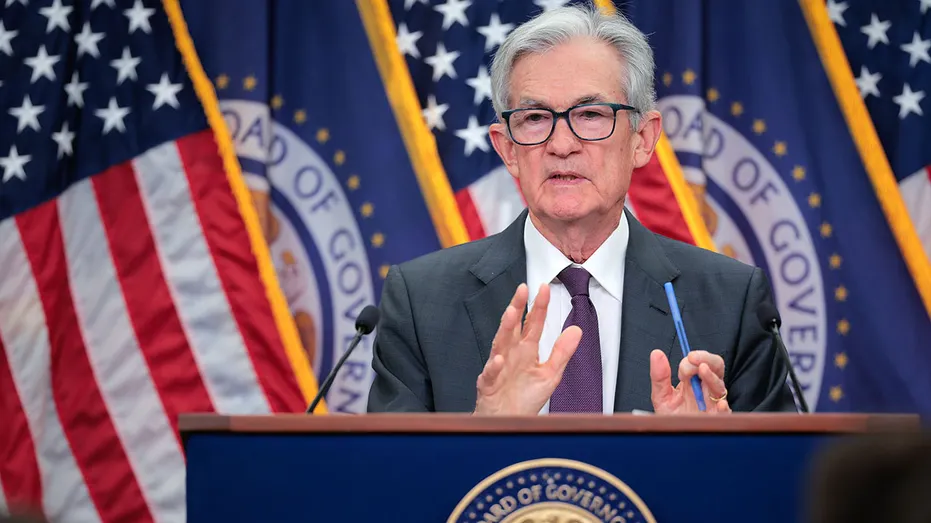
Every Fed chair faces a defining moment. For Jerome Powell, this is it.
If the Fed cuts too early, critics will accuse it of repeating the 1970s “stop-go” mistake.
If it waits too long, the risk of a policy-induced recession grows.
What’s at Stake
- Economic credibility: The Fed must prove it can manage inflation and growth.
- Market trust: Investors crave predictable, data-driven policy—not political influence.
- Global confidence: The U.S. dollar’s dominance depends on faith in the Fed’s stability.
As reported, Powell has repeatedly emphasized the Fed’s independence, even amid political pressure.
Meanwhile, the notes that changes in financial infrastructure complicate the effectiveness of traditional monetary tools.
Bottom line: The Fed’s next move isn’t just about rates—it’s about trust.
8. FAQs: What Americans Are Asking Right Now
1. What is the Fed funds rate and why does it matter to me?
The Fed funds rate is the interest banks charge one another for overnight loans. It indirectly affects everything from mortgages to credit cards.
When it rises, borrowing becomes costlier; when it falls, credit eases.
2. Why cut rates if inflation is still high?
The Fed must balance two goals—stable prices and maximum employment.
If job growth slows too much, the Fed may choose to support the labor market, even if inflation is slightly above target.
3. How many rate cuts are expected in 2025–2026?
Analysts expect 3 cuts in 2025 and 2 more in 2026, according to
By late 2026, the Fed funds rate could settle near 3%.
4. Will my mortgage rate go down if the Fed cuts?
Probably—but not immediately. Mortgage rates depend on market expectations and credit spreads.
If inflation stays controlled, lenders may offer better refinancing deals. Act when rates drop below your current lock.
5. What happens to savings if rates fall?
Yields on savings accounts and CDs will decline. Consider locking in today’s higher yields before cuts take effect.
6. How does the Fed impact long-term rates?
While the Fed controls short-term rates, its influence extends to long-term yields via market expectations and bond demand.
7. Will inflation rise again if rates are cut?
Possibly, but not automatically. Inflation depends on supply chains, energy prices, and wages. The Fed’s gradual approach aims to avoid reigniting price pressures.
8. How should I invest during rate uncertainty?
Diversify. If cuts come, growth stocks and bonds could rally.
If inflation persists, focus on value stocks, commodities, and real estate.
9. What’s the best way to stay informed?
Follow the Federal Reserve’s , reputable sources like Reuters, Bloomberg, and The Wall Street Journal, and monitor Fed speeches and meeting minutes.
9. Key Takeaways
- The Fed’s next rate decision will influence borrowing costs, investments, and job markets nationwide.
- Rate cuts may boost growth but risk inflation resurgence.
- Savers should act fast to lock in current yields.
- Investors must prepare for both easing and tightening scenarios.
- Businesses should balance debt flexibility with strategic timing.
- Above all, the Fed’s credibility—and America’s financial future—hangs in the balance.
Conclusion: The Power of the Fed’s Next Move
The Federal Reserve’s next decision isn’t just another headline—it’s the pulse of America’s financial system.
From mortgage payments in Texas to startup loans in California, the ripple effects will shape our financial well-being for years.
Stay informed. Stay prepared. And remember: even a quarter-percent decision in Washington can reshape your economic future.